
BLOG
What Is in Kava Drinks? Ingredients, Effects and Safety
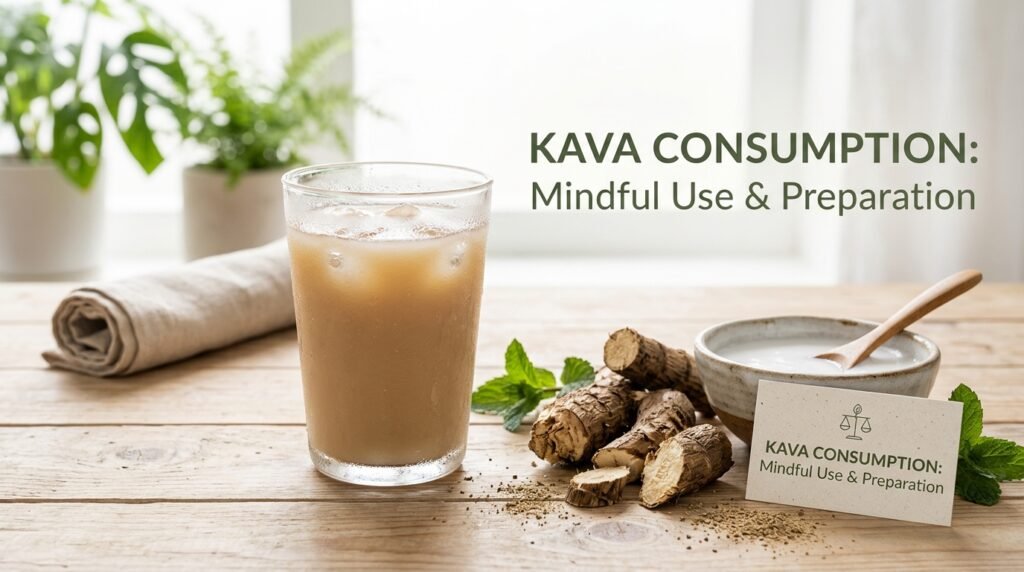
What Is in Kava Drinks?
Florida is home to several kava bars, thanks to its warm weather and receptive audience for alcohol-free nightlife. These venues vary in neighborhood, price point, and hours, but most offer a relaxed vibe.
Kava can be an acquired taste, with a medicinal, earthy flavor and numbing sensation on the tongue and lips. However, this sensation is a sign that the drink was prepared correctly.
kava strainer
Kava is a plant with a long history in Pacific cultures. It has been shown to be a powerful anti-anxiety remedy. It also has some promising cancer-fighting properties. Its compounds have been found to prevent the activation of nuclear factors that trigger the growth of leukaemia and ovarian cancer cells.
Traditionally, kava is prepared by placing ground kava root in a clean porous bag and soaking it in water for about 15 minutes. The resulting beverage has an earthy, peppery, and slightly astringent flavor that can leave the lips and tongue feeling numb or tingly.
The process is time-consuming and tedious. But modern kava preparations trade some ritual for convenience without abandoning what makes kava work. Tea bags, for instance, contain a gram or two of kava powder. But they extract only a fraction of the kavalactones because the hot water doesn’t agitate or emulsify the powder. Muslin strainers are a better option than coffee filters and cheesecloth because they hold up to sustained physical pressure for five minutes.
kava effects
Whether you’re looking for a post-work chillout drink or a natural alternative to alcohol, kava is your new go-to. It relaxes tight muscles, quiets anxiety and depression, and gives you that calm mental focus — all without impairing your thinking or leaving you with a hangover.
Kava’s side effects are mild and dose-dependent, with digestive upset, headache, and dizziness the most common. It can also cause a condition called kawa dermopathy (dry, scaly skin), and long-term heavy use can lead to liver damage. However, these symptoms are rare and usually only occur at very high doses.
Kava’s calming effects can be felt in about 15 to 30 minutes, reaching peak levels around the 90-minute mark. The exact timeline depends on your chosen form: Tinctures and traditional drinks hit faster because they enter the body via mouth and stomach, while capsules and gummies take longer to absorb as they require digestion. Also, food makes a big difference: An empty stomach translates to faster and stronger kavalactone absorption, while a heavy meal blunts it considerably.
kava and kratom
Adding kava to your wellness routine can bring a variety of benefits, including relaxation and anxiety relief. It’s important to follow the recommended serving sizes on the packaging and stay hydrated. Kava can have a bitter or medicinal flavor and may cause numbness in the mouth. You can mask the taste by adding a fruit juice or coconut water. Experiment until you find the right mix.
Kava is also known for its calming effects and can help you relax before bed or in social settings. It’s a great alternative to caffeine and other stimulants. However, it is still important to use caution as it can lead to drowsiness or sedation in large doses.
Jubi carries several kratom and kava drinks that are perfect for different goals. Choose a Cherry Energy Shot for broader daily energy or Lime Focus Shot for higher concentration sessions. You can also enjoy a Strawberry Chill Kava Shot for social calm and body ease.
benefits of kava kava root
Kava has become a popular wellness beverage. It is an alternative to alcohol that has a calming effect without distorting your thinking or impairing motor skills. It also promotes sleep and calms the nervous system. Its blend of calming effects has made it a natural choice for those seeking anxiety relief.
The kavalactones in kava interact with GABA and other neurotransmitters in the brain to produce anxiolytic, euphoric and relaxing effects. They can even help to increase serotonin, dopamine, and noradrenaline levels in the body. These neurotransmitters are responsible for regulating mood, movement, motivation, reward, and attention.
Kava may also have antiproliferative properties and inhibit the growth of tumors by triggering apoptosis, a process that destroys abnormal cells. It also boosts the activity of immune cells that target cancer and inhibits angiogenesis, a process that creates blood vessels that feed tumors. It can also scavenge free radicals and reduce oxidative stress.
Ingredients
The key ingredient in kava drinks is the plant’s root. It is ground or pulverized for consumption as a drink. A wide range of products are available, including flavored and unflavored powdered kava, kava capsules, kava gummies, and liquid extract dissolved in pure grain alcohol and vegetable glycerin. The most effective products contain high levels of kavalactones, which produce the desired effects and experiences.
The kavalactones of the kava plant have been characterized as having anti-anxiety properties, pain relief, and mood enhancement. The six primary individual kavalactones are yangonin, methysticin, dihydrokawain, desmethoxyyangonin, and kawain.
Traditional kava preparation involves macerating the kava root in water to create a drink. The process can be lengthy and tedious, but it is a rich and memorable experience. The ritual helps one connect to a time-honored tradition of the South Pacific islands. The kava can also be taken in a pill, which is easier to swallow and doesn’t require squeezing.
Effects and Safety
Kava’s blend of calming effects, including anxiety relief and mood enhancement, has made it a popular wellness drink. It’s also used as a gentle alternative to insomnia medications, encouraging sleep and muscle relaxation.
In lower doses, kava is said to make you feel calm and at ease, while promoting sociability without the loss of mental clarity associated with alcohol. Higher doses can generate feelings of gentle euphoria and moderate sedation. Those who consume “heavy” kava cultivars should exercise caution, as these strains may have higher concentrations of the kavalactones that can cause nauseating side effects in high doses. What Is in Kava Drinks
When consumed in moderation, kava is not considered addictive and has an excellent safety record. However, consuming large quantities of kava or using it daily for extended periods can cause your liver to become overburdened. It’s important to have days off from kava so your body can rest and recover.