
BLOG
Kava Tea UK: Ingredients, Benefits and Safety
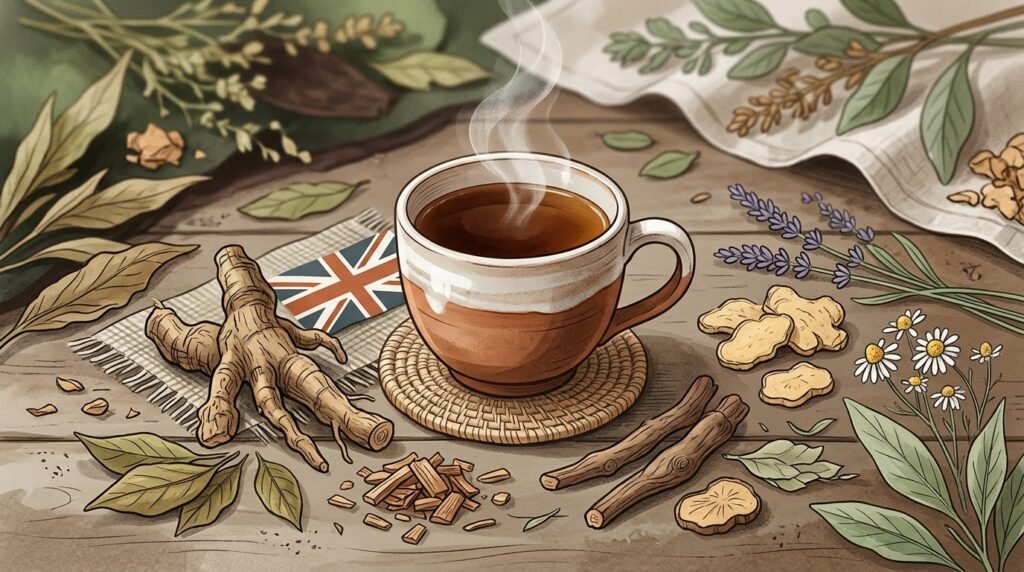
Kava Tea UK – A Natural Anxiety Remedy
Kava is an ancient social drink that relaxes and eases stress without clouding mental clarity. It’s traditionally prepared from the ground roots of Piper methysticum in Pacific islands. The kava’s effectiveness is attributed to its six main chemicals called kavalactones.
Research supports kava’s effectiveness for anxiety. However, rare liver cases may occur from non-noble kava (tudei), aerial plant parts, or poor-quality kava products.
kava kava tea
Kava’s calming effects come from interacting with GABA (gamma-aminobutyric acid) receptors in the brain, the same neurotransmitter targeted by anti-anxiety medications. This reduces overactivity in the nervous system and creates a sense of calm without making you feel drowsy or impairing mental clarity. Moreover, kavalactones have been shown to improve mood by increasing dopamine levels, which can help you feel more balanced and positive. In addition, kava has analgesic properties and can be used to ease stress-related pain and insomnia.
Early animal studies began to show that kava had significant anti-inflammatory benefits as early as the 1960s. This effect was likely due to kavalactones’ ability to inhibit voltage-gated sodium channels. These channels are essential for nerve function and allow electrical signals to be sent along the nerves. Kava also appears to control tumor necrosis factor-alpha, a key inflammatory cell signaling molecule. In one study, kava extract was able to make mice immune to a lethal dose of endotoxin.
Effects of kava Tea
The best way to think about kava is not as a cure-all, but rather a tool for specific situations. It’s a wind-down tool, a social evening ritual, and a sleep-onset aid. It can also reduce pain, but not as a strong analgesic. It’s also a useful coping mechanism for muscle soreness, and may even help with benign prostate hyperplasia (BPH).
Kava works by activating GABA-A receptors and influencing key neurotransmitters like dopamine. This produces a calm, sedating effect that can help alleviate mood disorders and anxiety. It can also improve cognitive function by decreasing stress-induced anxiety.
Kava can be taken in tea, capsule, or powder form. However, it is important to check the dosage recommendations on the product and avoid mixing with sedatives or alcohol. It can interfere with medications metabolized by the liver, including acetaminophen and statins, and may interact with antipsychotics and blood thinners. It can also cause a dry, scaly skin condition called kava dermopathy, but this is harmless and clears up when you stop using kava.
kava Green Tea
Adding kava to your wellness routine can be an effective way to cultivate inner peace and promote relaxation. However, it is important to consult a health professional to ensure safety and minimize risk of side effects. In addition, it is essential to follow recommended dosage guidelines to prevent liver toxicity.
Kava’s cleanest research story is that it reduces short-term anxiety in non-clinical populations. It is also a popular choice for evening relaxation and sleep-onset support. However, it is not recommended for chronic insomnia or obstructive sleep apnea.
Kava can be purchased in tea, capsules, powder, and liquid extracts. Each option has its benefits and drawbacks, so it is best to try different forms before settling on one. Capsules are convenient and easy to travel with, but may not deliver as strong of an effect as a drink. Micronized and instant kava powders mix quickly into water and are ideal for those who need precise dosing.
Ingredients
Kava is a root-based plant that has been used for centuries in the South Pacific for social and ceremonial purposes. While it’s best known for its calming effects, it has also been shown to be effective in improving sleep patterns. It also has the potential to be a powerful natural alternative for anxiety, providing more predictable and reliable results than pharmaceutical medications.
The best way to consume kava is to make a tea from ground roots, but there are also many other ways to prepare it. For example, you can use a French press to steep the root in water. This method is efficient and produces a delicious, earthy drink.
Most kava supplements are sold as capsules or tinctures, which provide consistent dosages of kavalactones. They may be more expensive than brewed kava, but they are easier to take and offer a convenient way to get the benefits of this herb.
Benefits
Kava is used for its calming and medicinal properties, including anxiety reduction, mood elevation, easing pain and aiding sleep. It also has neuroprotective effects and is often used in addiction recovery programs. The kavalactones found in kava increase the activity of the GABA system in the brain, which promotes relaxation and reduces feelings of anxiety and stress. This makes kava a useful alternative to drugs such as benzodiazepines and selective serotonin reuptake inhibitors.
It has analgesic effects and can help ease pain caused by arthritis, neuropathic pain, and chronic pain. It has also been shown to inhibit the secretion of inflammatory cytokines that can cause stomach problems, like ulcers.
Occasional use of kava is safe for most adults, but it should be avoided by those with liver disease or who are taking other sedatives or medications (NCCIH). It can also trigger a dry, scaly skin condition called kawa dermopathy in some people, although this is reversible and typically clears up when the dose is reduced.
Safety
Kava may interact with certain receptors in the brain that promote relaxation and reduce stress levels. It may also improve sleep quality. However, it comes with some safety precautions that require caution. Some studies have linked kava consumption to liver toxicity, which has resulted in bans and restrictions in some countries.
Despite these concerns, kava is an effective option for many anxiety disorders. It can be combined with other mind-body wellness practices and used responsibly. It should not be taken with other medications or alcohol, and people who are poor metabolizers should avoid it.
To make kava tea, start by adding 35-40 grams of kava powder to a strainer bag or a clean white t-shirt. Then slowly pour two cups of warm water over the kava and let it rest for about 10 minutes. Next, twist the strainer bag and knead it to extract the liquid. After the liquid has a dark brown color, you can add it to your cup of tea and enjoy!